The main points
- The operation stops for the rest of the year and does not run through winter.
- The chamber is the same temperature all year. Getting a group to it is not.
- This far north, the shoulders of the season are noticeably shorter days.
- A winch on a timetable, not a turn-up-and-go attraction.
The season
The descent operates through the warmer part of the Icelandic year and stops for the rest of it. Exact opening and closing dates shift from year to year with conditions, so the booking calendar is the authority rather than any figure quoted on a page like this one.
What is stable is the shape: a season of a few months, fixed departure times within it, and no winter operation at all.
That makes it unusual among Icelandic excursions. A great many of the things people come here for run all year and simply change character with the light. This one does not run at all for a large part of it.
Why it closes
The instinct is that the volcano must be inaccessible in winter, or dangerous, or buried. None of that is the reason.
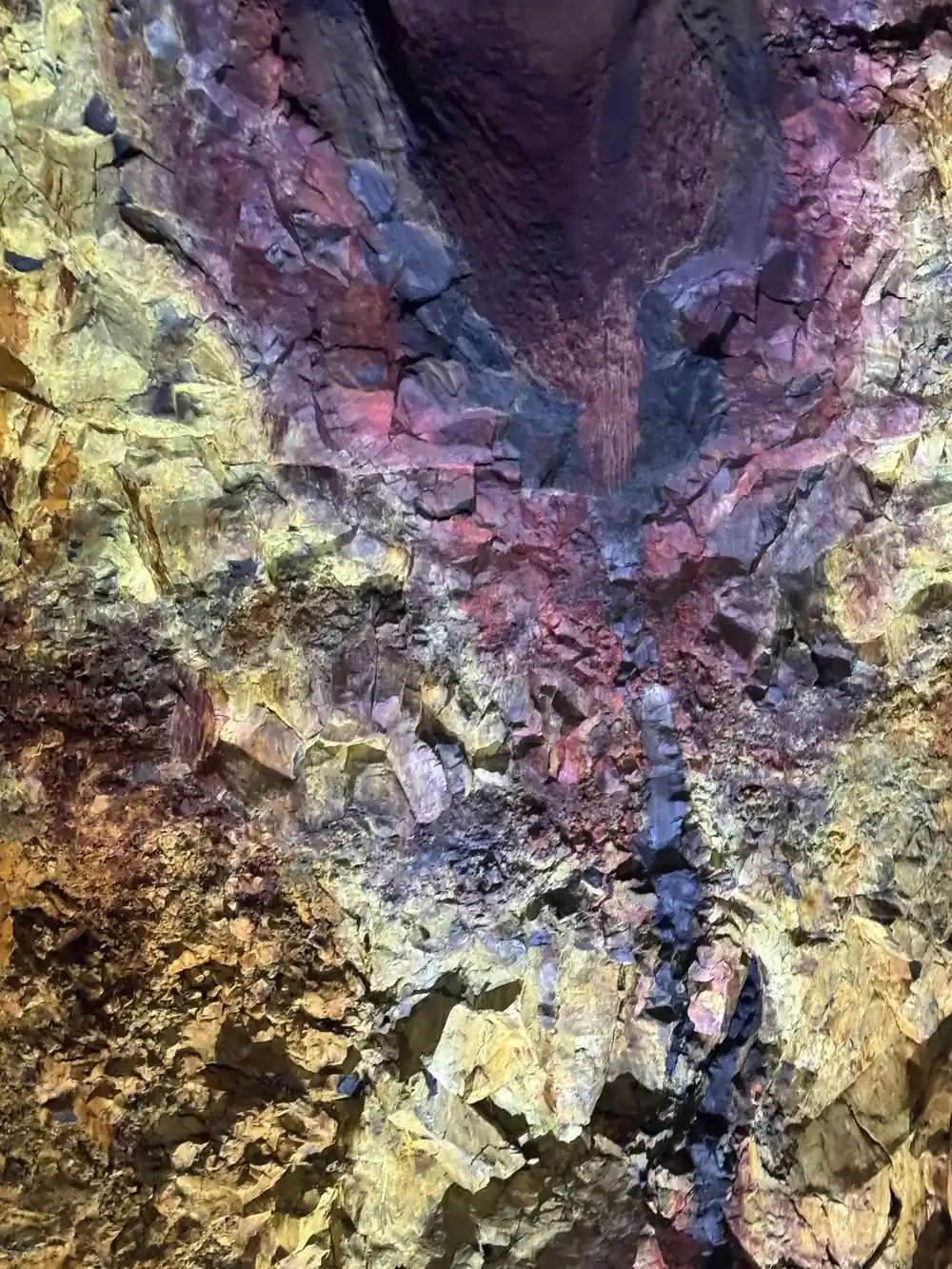
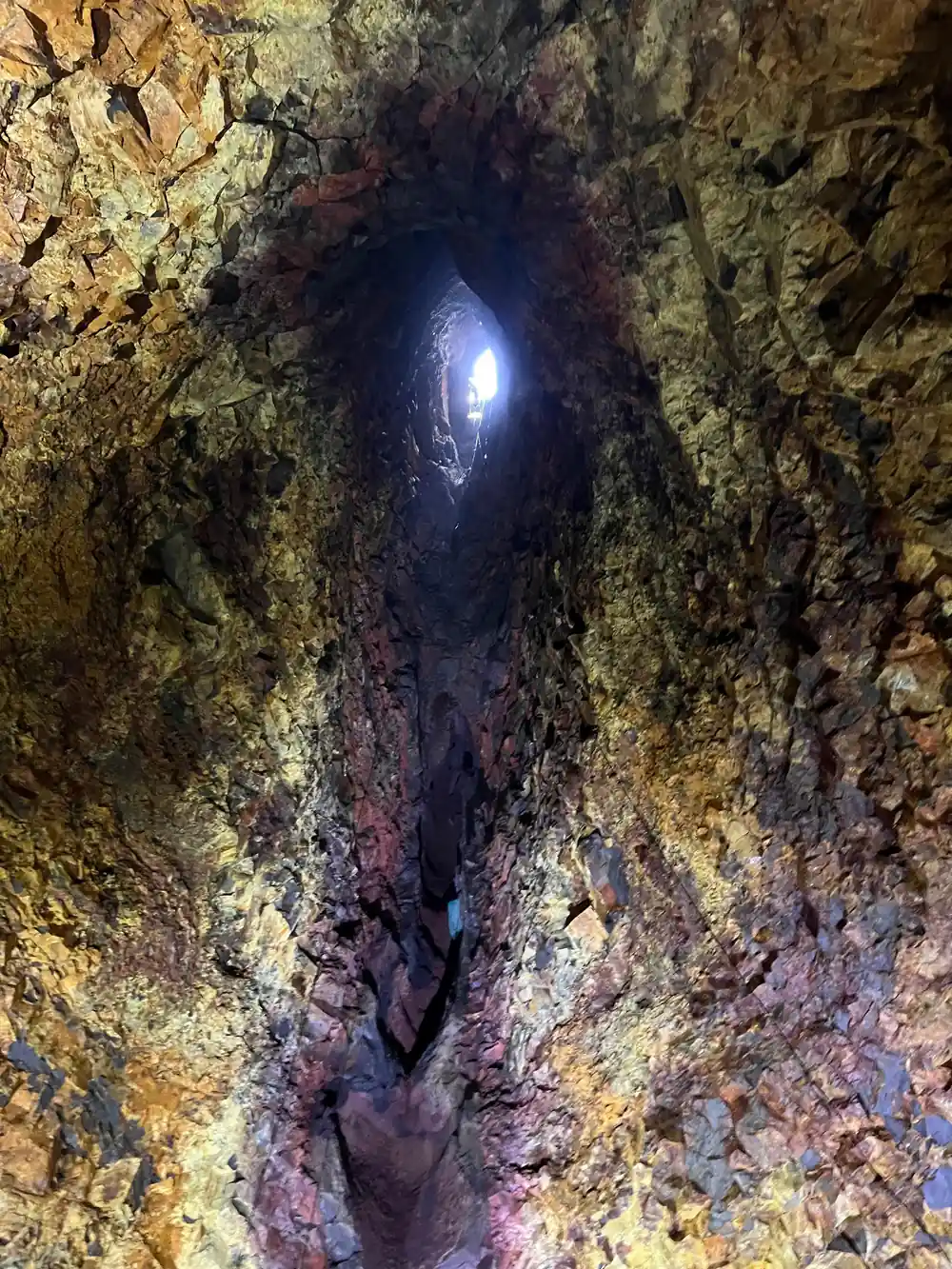
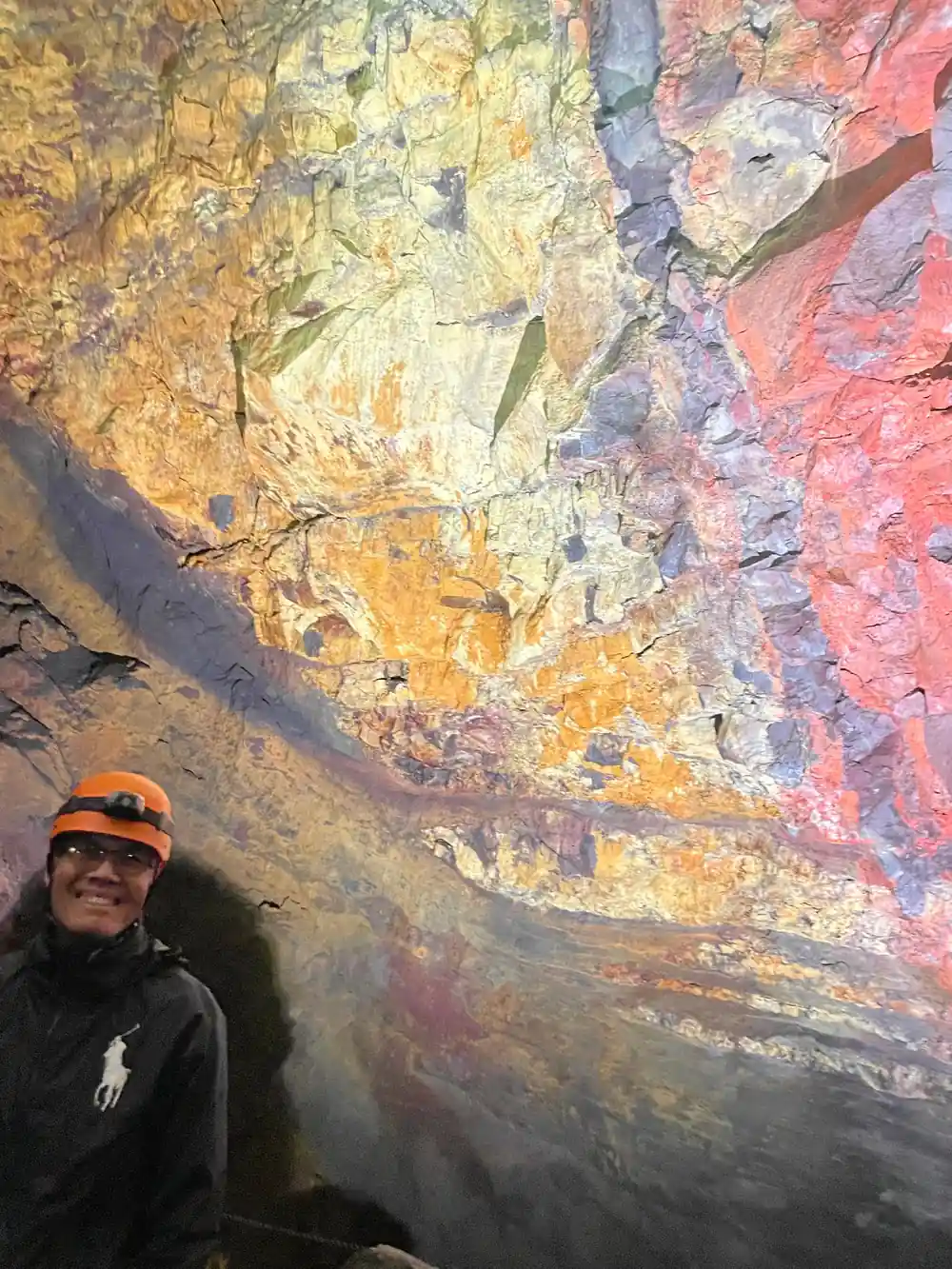
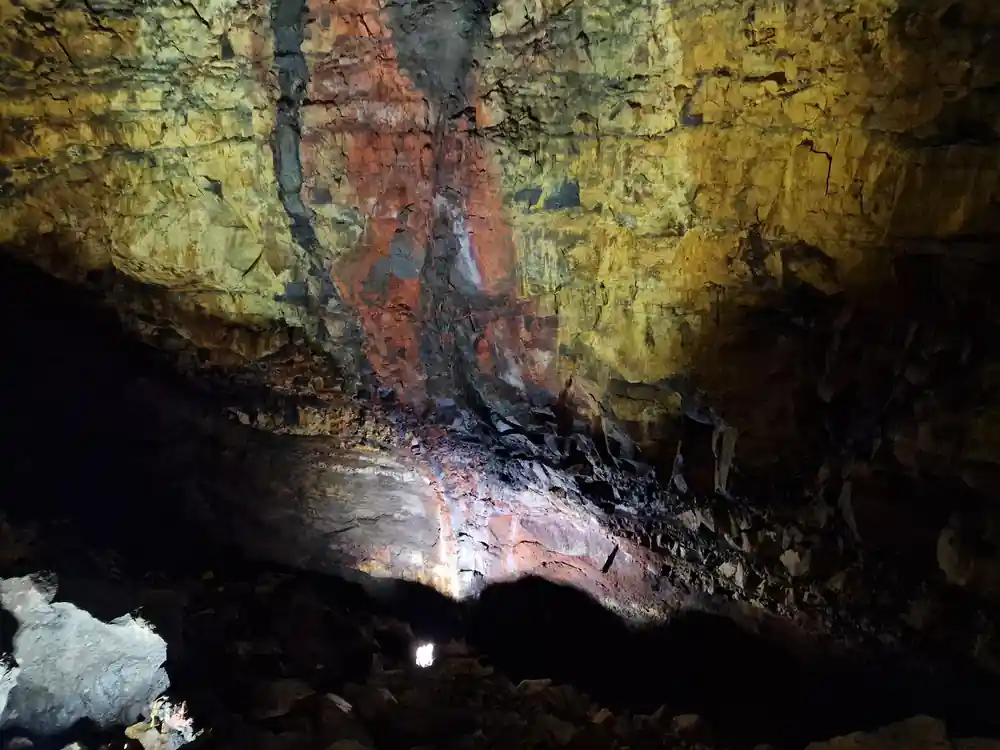
The chamber does not care what month it is. It has been sitting at the temperature of the surrounding rock for four thousand years and a January visit would find it exactly as a July visit does: cold, dark and dry.
The constraint is the three kilometres between the cabin and the crater. That is an unroaded, unsheltered lava plateau, and moving a group of twenty across it and back, on foot, in weather that changes without much notice and light that in midwinter barely arrives, is not a reasonable proposition. There is no vehicle route and no shortened alternative.
So the season is set by the walk. Everything else about the operation would work perfectly well in February.
Which month within the season
There is no month that guarantees anything, and the differences are smaller than people hope. What varies is daylight and the odds on the plateau being clear.
The middle of the season gives the longest days and the best chance of settled weather, which matters for the walk and for the view from the rim rather than for the chamber. The shoulders give shorter days, more variable conditions, and often fewer people.
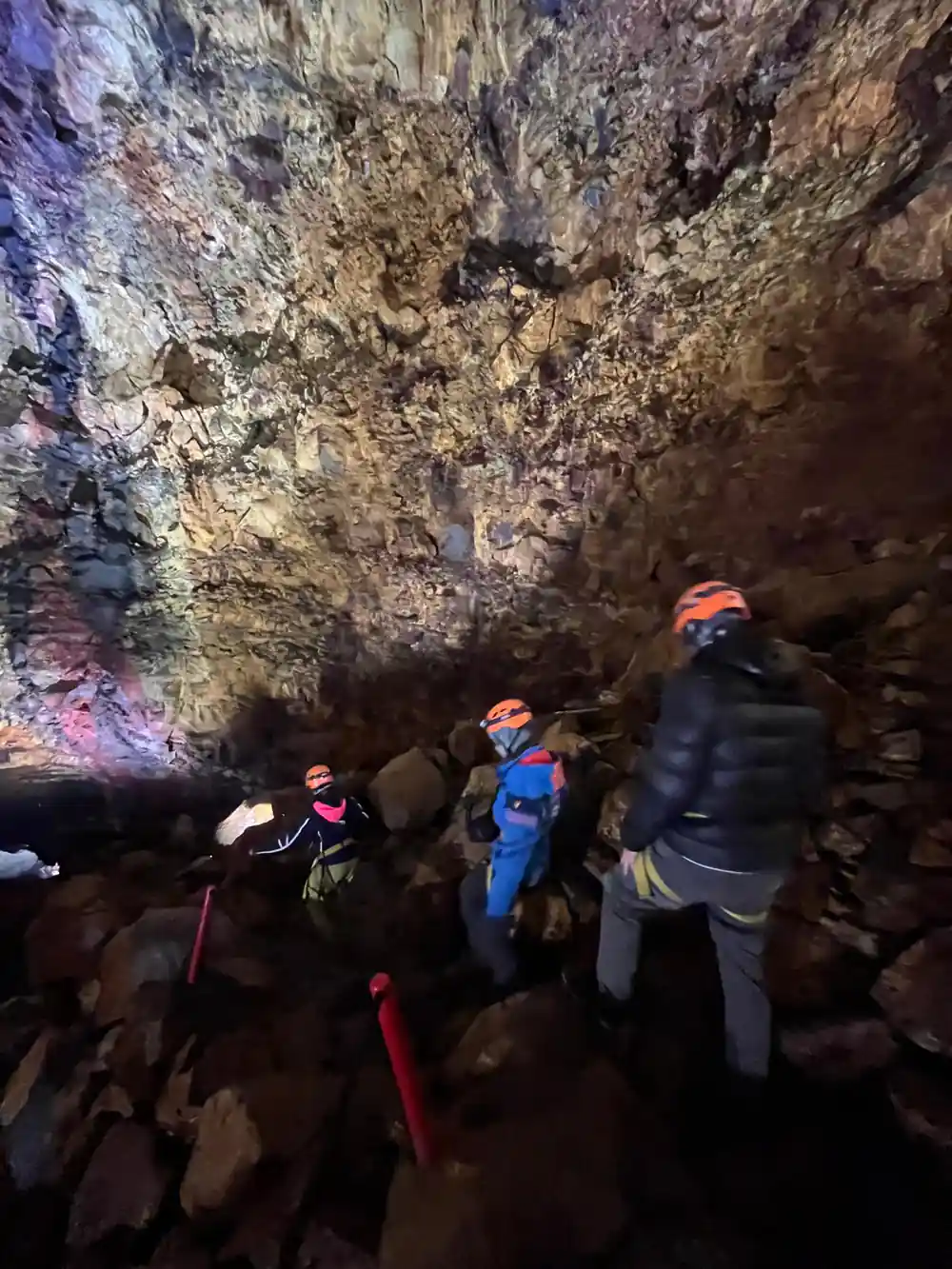
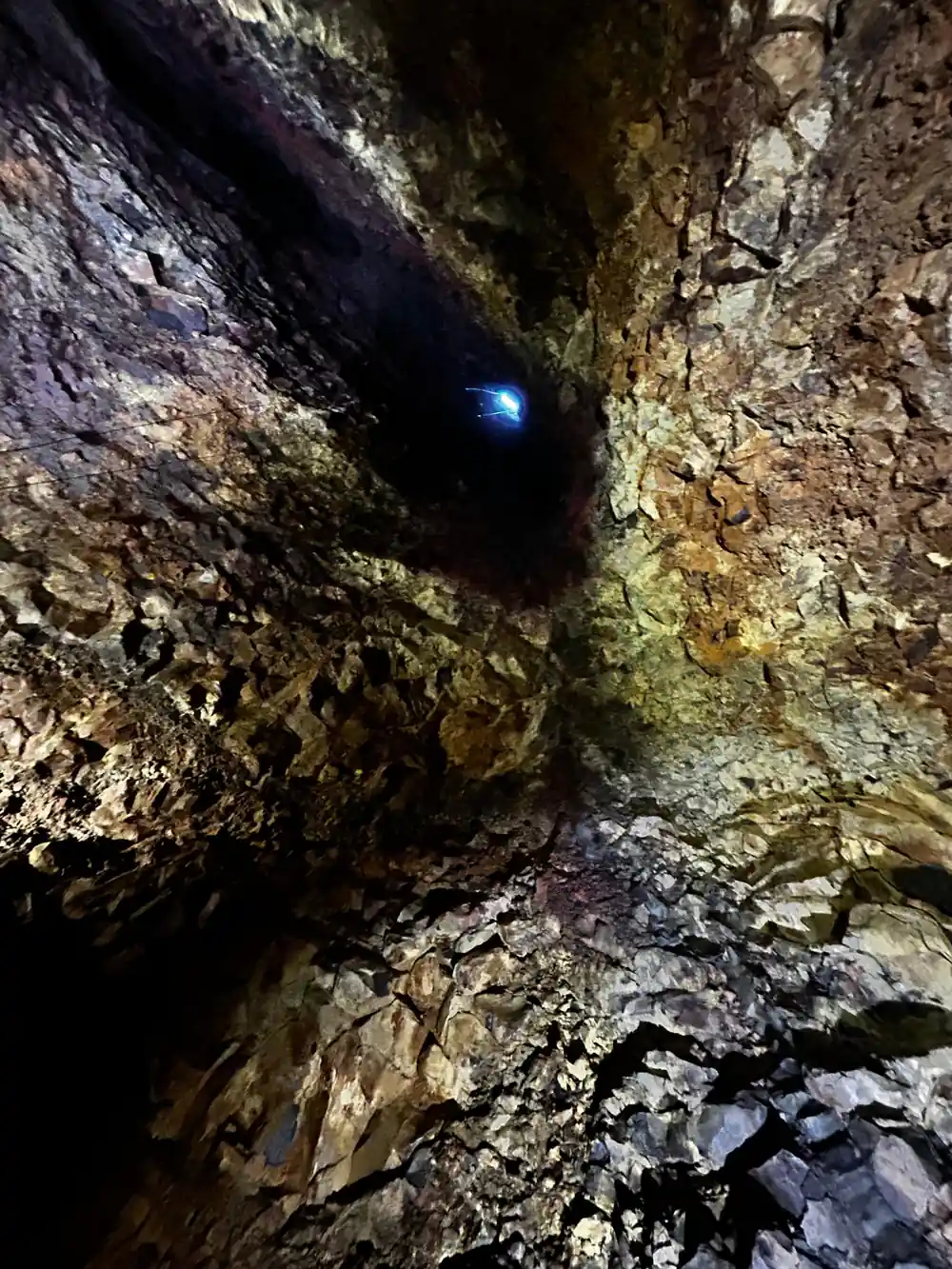
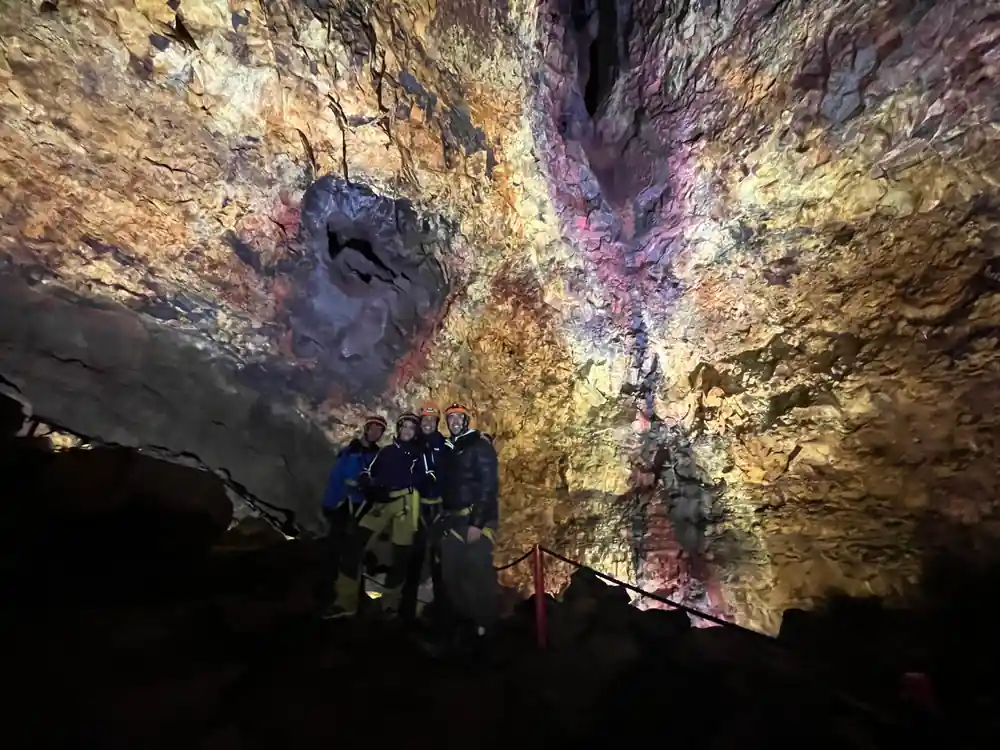
Nothing about the underground hour changes with the month. It is lit by lamps at every point in the season, and a foggy day and a brilliant one produce an identical experience once the platform starts moving. If your priority is the chamber, the month is close to irrelevant. If your priority is also seeing where you are walking, aim for the middle.
One further consideration for anyone with flexibility: the shoulders of the season are quieter. Fewer bookings means smaller groups, which on a trip whose throughput is five people at a time translates directly into less standing about at the crater rim waiting for a winch. That is a real gain, and it partly offsets the worse odds on the weather.
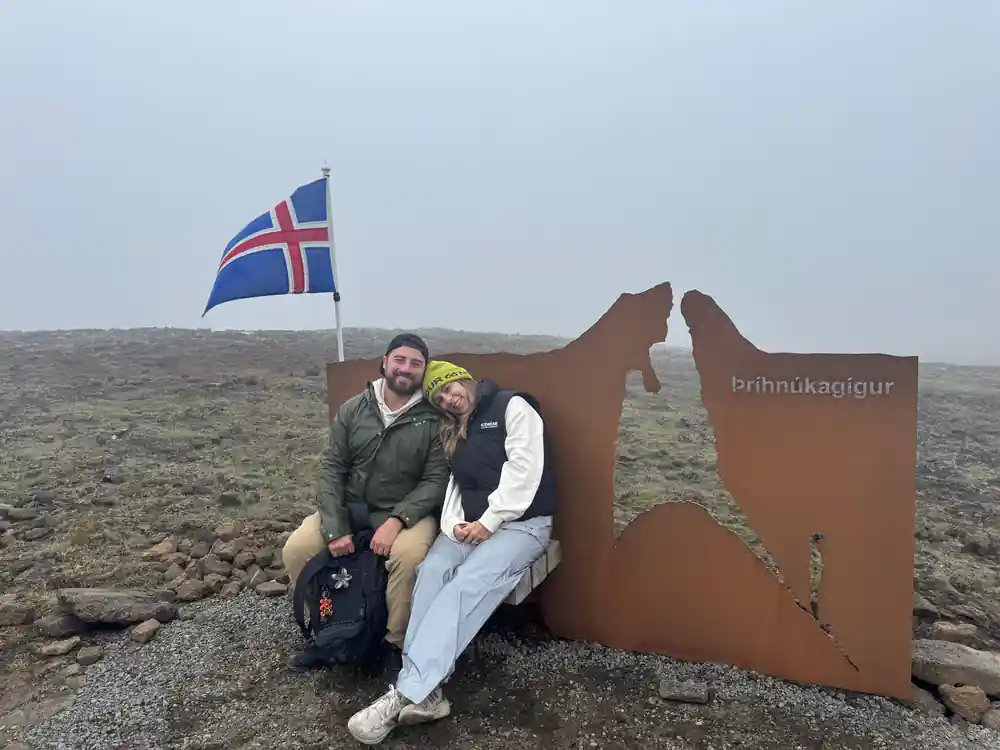
The lava plateau under low cloud
Daylight, which is extreme here
Iceland sits just below the Arctic Circle and the swing in day length across the year is enormous. Around midsummer the sun barely sets and there is usable light around the clock; around midwinter it clears the horizon for a couple of hours and the rest is twilight.
Because the season avoids the darkest months, you are unlikely to be walking in the dark. But the shoulders of the season have appreciably less light than the middle, and a late departure at the end of the season finishes closer to dusk than the same departure in high summer.
The practical version: if you have a choice of departure times, an earlier one is generally the better bet at either end of the season. It gives more margin, better odds on the plateau being clear, and a return to the cabin in comfortable light.
Departure times and how many go
Departures are at set times and the whole day is built around them, because at the far end there is a winch taking five people at a time and a schedule that has to work backwards from it.
That is why the operator asks you to arrive ten minutes early, and why arriving late is genuinely unrecoverable in a way that being late for a bus is not. There is no later group to slot into.
It also means the number of people who can do this on any given day is small and fixed. Combined with a season of a few months, that produces the one piece of advice everybody gives about this trip, which is to book it well ahead rather than deciding on the day.
What weather actually stops
Ordinary Icelandic weather does not stop this trip. Rain, wind and fog are the normal working conditions of the plateau and the walk goes ahead in all of them, which is exactly why the boots and the layers are specified so firmly.
What stops it is genuinely poor conditions on an exposed plateau: the kind that make moving a group across open lava unwise rather than merely unpleasant. That is a judgement made on the morning by people who work there.
Free cancellation exists on the booking for this reason, and the sensible use of it is not as compensation but as scheduling: hold a date early in your stay so there is room to move it, rather than putting it on the last day and having nowhere to go.
A few months, fixed departures, five at a time
from US$432Reserve now & pay later