The main points
- A platform sets the ceiling. No amount of demand raises it.
- Multiply a small daily capacity by a short season.
- Use it as a scheduling tool rather than as insurance.
- So a bad day on the plateau has somewhere to move to.
Why this one is different
Most advice to book ahead is generic caution. Here it is arithmetic.
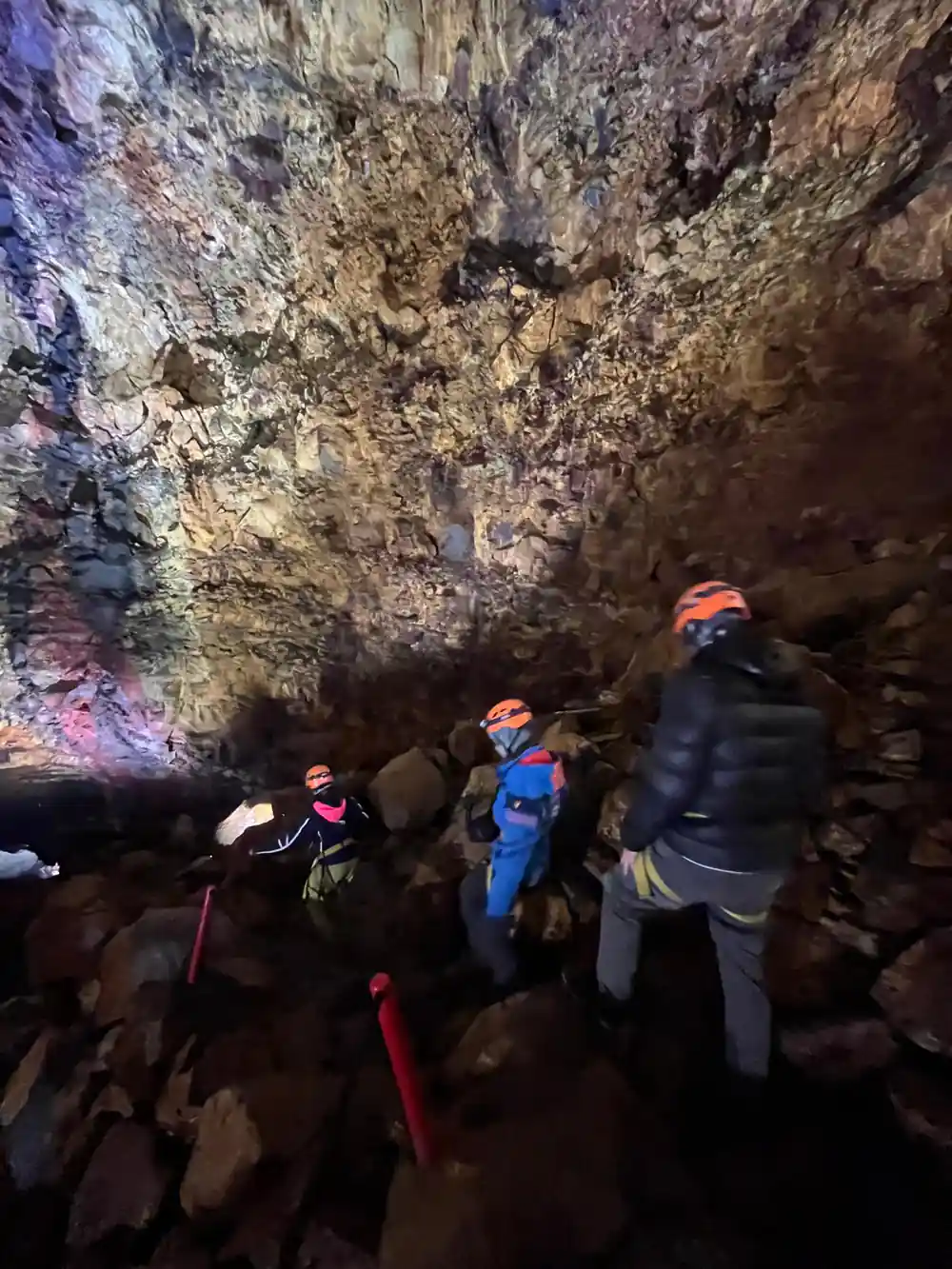
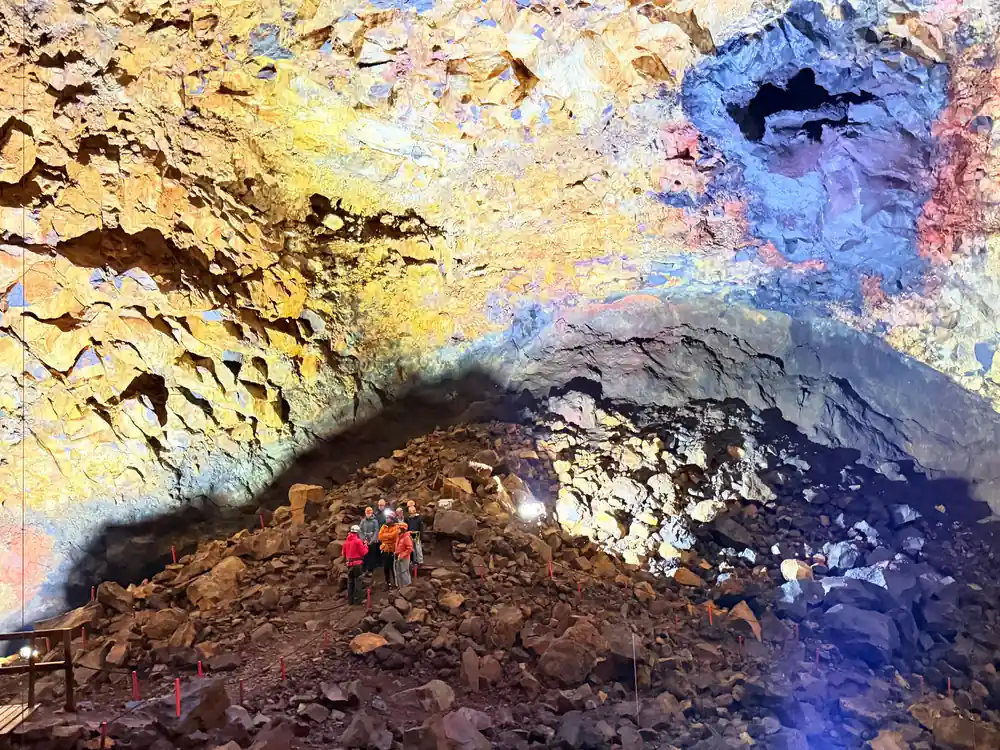
The access to the chamber is a platform carrying four or five people. That is a physical ceiling on how many can go down in an hour, and no amount of demand or willingness to queue raises it. Widening the opening was never an option and no larger platform is coming.
Multiply a small hourly capacity by a fixed number of daily departures and then by a season of a few months, and the total number of people who can do this in a year is modest by the standards of anything else marketed to visitors in Iceland.
That is the whole explanation for why it books up, and why deciding on the day is unlikely to work in the middle of a season.
How far ahead
As far ahead as you are willing to commit, and certainly at the point your dates are fixed rather than at the point your itinerary is finished.
In practice most people are booking flights and accommodation months out and excursions weeks out. This is the one to move to the front of that queue, because everything else in a Reykjavik week has more capacity and more alternatives.
If you are travelling in the busiest part of the season and your dates are inflexible, treat this as something to secure first and build the rest of the week around, rather than the reverse.
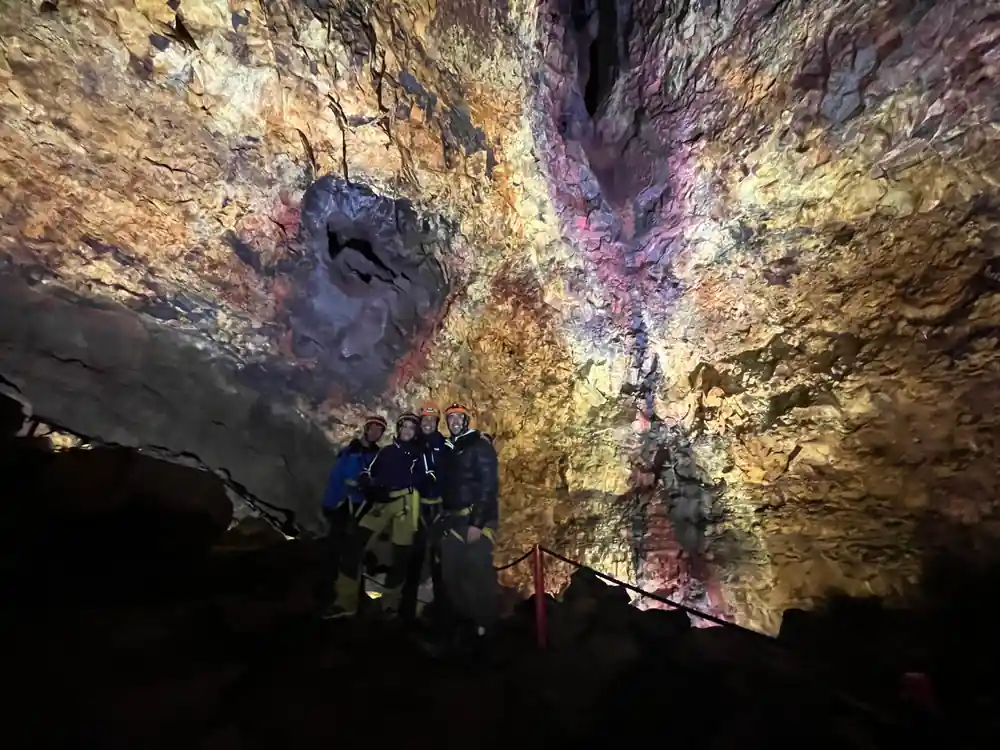
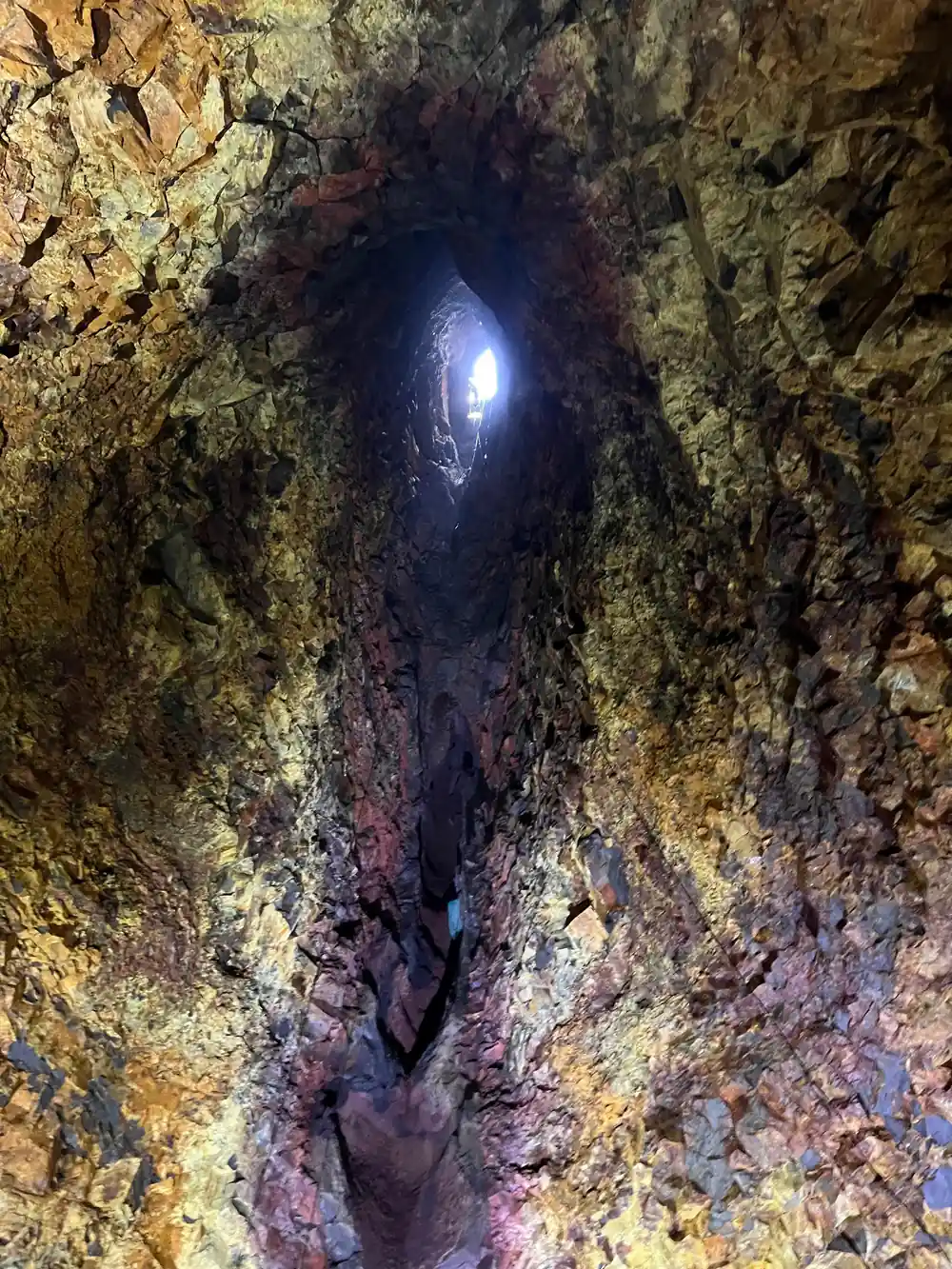
The gantry and platform over the crater mouth
Which day of your trip
Early. This is the single most useful piece of scheduling advice about the trip and it asks nothing of you to follow.
The reasoning is entirely about weather. The operation runs on an exposed plateau and conditions there can be poor enough to stop it. If that happens on a day early in your stay, there is room to move to another one. If it happens on your last day, there is not.
The same logic argues against putting it on an arrival day or a departure day. Flight timings, a six-hour excursion and a walk across a lava field are three things that combine badly, and there is no slack anywhere in that combination.
What free cancellation is actually for
Free cancellation is offered on the booking, and most people file that mentally under insurance. It is more useful understood as a scheduling instrument.
It means you can hold a date early in your trip without committing to that being the day it happens. If the plateau is having a bad week, you move. If your plans shift, you move. Holding a place asks nothing of you, and not holding one means the season hands its limited capacity to somebody else.
That is a genuinely favourable arrangement for a trip with capacity as tight as this one, and it is worth using deliberately rather than passively.
Five
The number of passengers on the platform at a time. That is the ceiling on how many people can enter the chamber in a day, and nothing raises it.
If the operator cancels
It happens. Conditions on the plateau are assessed on the morning by people who work there, and their judgement is about whether a group can be walked across open lava safely rather than about whether the weather is pleasant.
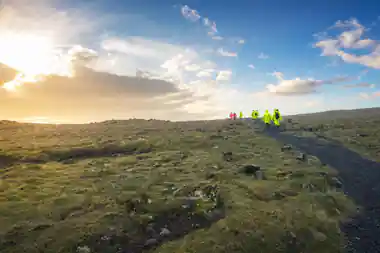
Ordinary Icelandic weather does not trigger this. Rain, wind and fog are normal working conditions and the walk goes ahead in them, which is precisely why the clothing requirements are stated so firmly.
When a cancellation does come, the practical question is whether you have another day available, which loops back to the advice about booking early. A cancelled trip with three days of your holiday remaining is an inconvenience. The same cancellation on your final morning is the end of it.
Being late
There is no recovery from this and it is worth stating bluntly. Departures are at set times, gear is fitted as a group, and the whole day works backwards from a winch running to a schedule.
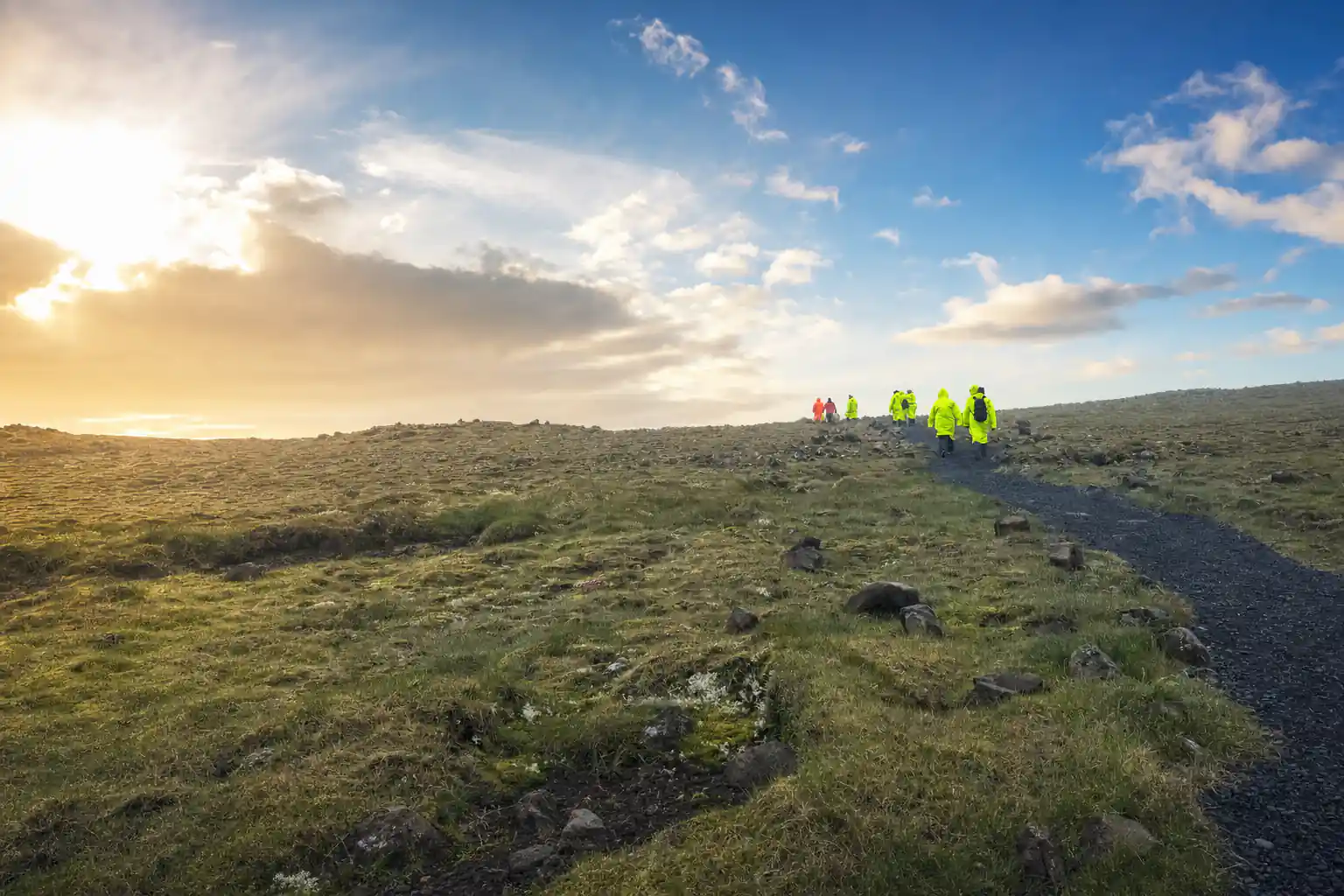
There is no later group to join and no way to catch up a group that has already set off on a three-kilometre walk. Arriving after your departure has left means you have missed it.
So build margin into the drive. Thirty minutes from Reykjavik is a normal-conditions figure and the operator asks you to be there ten minutes early, which together means leaving with slack rather than to the minute.
The optional pickup removes this problem entirely, which is an argument for it that has nothing to do with convenience. If somebody else is driving to a schedule they set, being late stops being a thing you can do.
Changing the date
Changes are a matter for the operator and the booking platform rather than for a page like this one, and the terms attached to your specific booking are the terms that apply.
What is generally true is that this is a capacity-constrained product in a short season, so a change is a question of whether another slot exists rather than of whether anyone objects. Later in the season, and at short notice, that answer is more often no.
The practical conclusion is the same as everything else on this page: book early, book early in your stay, and keep the flexibility you are given.
Book early, and book it for early in your trip
from US$432Reserve now & pay later